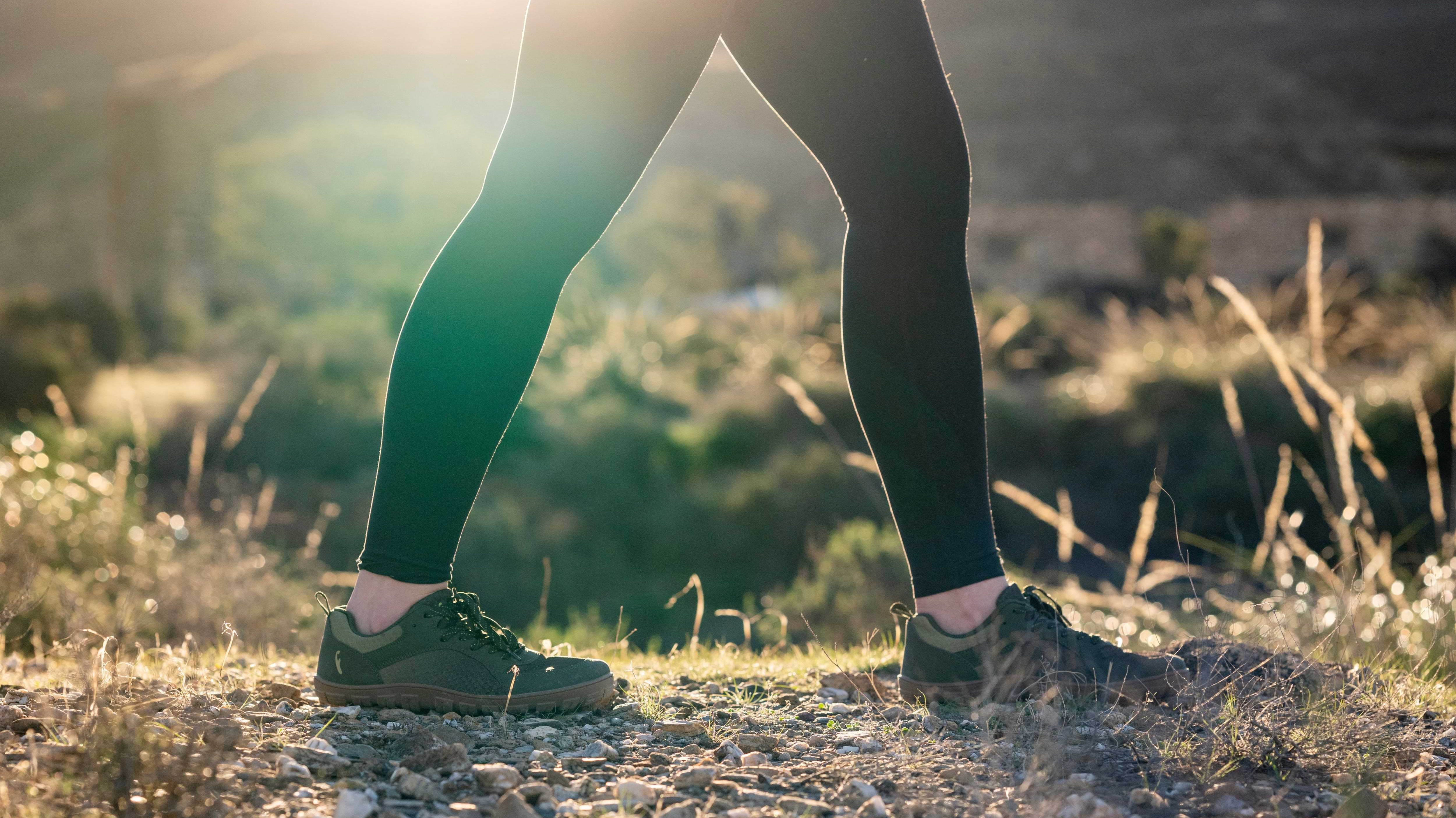
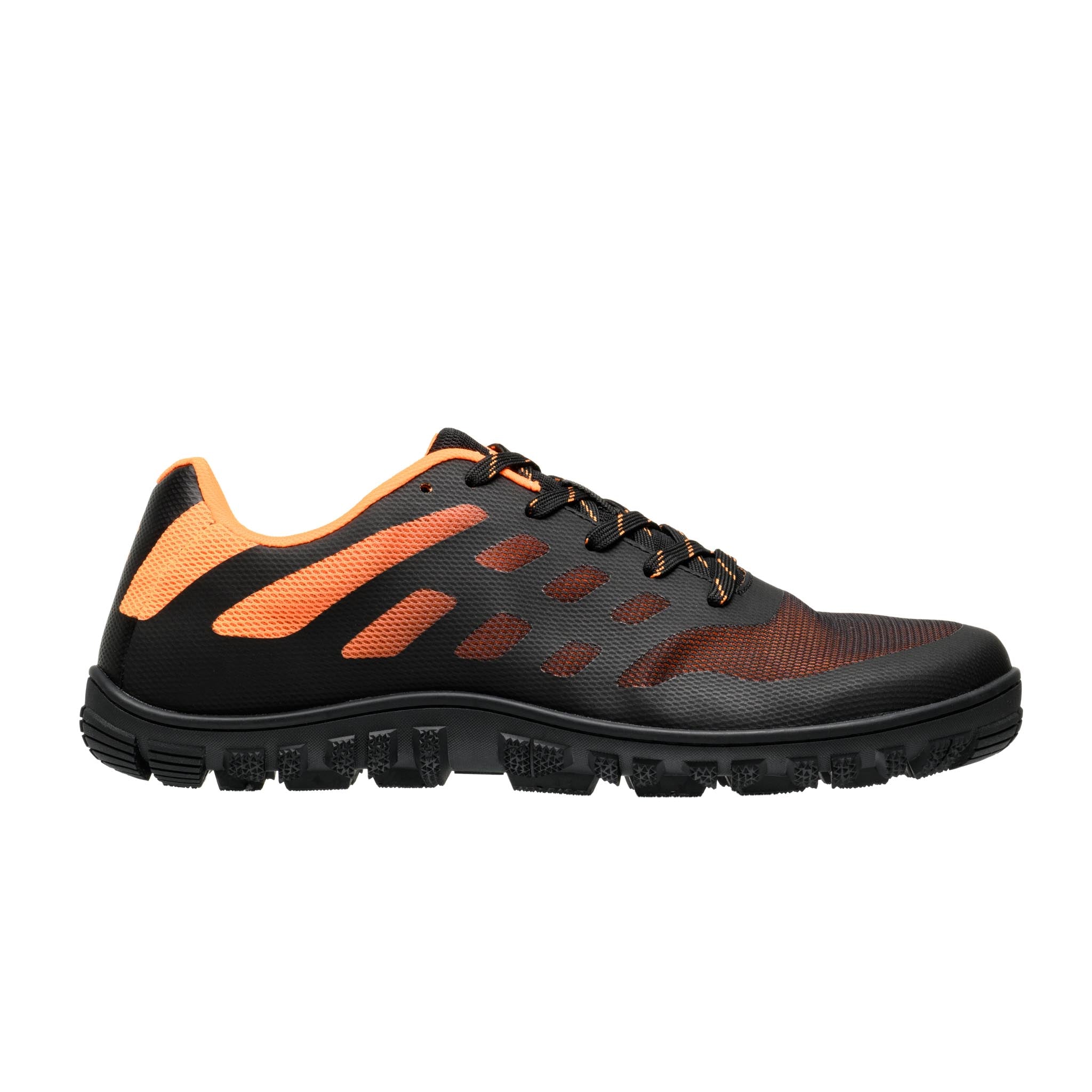
THE FOUNDATION OF NATURAL MOVEMENT.
Your feet are your foundation. They support movement, balance and how your body interacts with the ground.
Most modern footwear adds structure, cushioning, and elevation. Barefoot shoes take a different approach, removing unnecessary features so your feet can move more naturally.
Freet Barefoot Principles
Zero Drop
All of our shoes have zero height difference between the heel and the forefoot. This places the foot in a more neutral position and avoids the forward shift created by elevated heels.

Flexible
Barefoot shoes are designed to bend, flex, and move freely. Instead of restricting motion, they allow your feet to adapt naturally to different surfaces and movements.
Wide Toe Box
Freet shoes are built with a foot-shaped forefoot, rather than narrowing at the toes. This follows the natural shape of the foot, allowing your toes to spread and move freely, more like they would barefoot.

Secure Fit
A barefoot shoe should stay securely in place without forcing your toes to grip. Freet shoes are designed to hold the foot comfortably, allowing your toes to stay relaxed during movement.

Minimal Toe Spring
Many traditional shoes curve upward at the front. Freet keeps this to a minimum, allowing the foot to stay more connected to the ground and move through a more natural stride.

A different feel.
A different way to move.
When footwear is less restrictive, your movement often changes too.
Barefoot shoes encourage:
- A more natural stride
- Greater awareness of how you move
- Increased engagement of the muscles in your feet and lower legs
Rather than relying on built-in support, our design shifts the focus back to your own movement patterns.

More people are choosing barefoot shoes.
People choose barefoot footwear for different reasons, including:
- A preference for a more natural feel underfoot
- Greater freedom of movement
- A simpler, less structured approach to footwear
- A closer connection to the ground
It’s not about quick fixes, it’s about a different way of thinking about how shoes interact with your body.
Take your time
If you’re new to barefoot shoes, it’s important to transition gradually. Your feet and lower legs may not be used to this style of movement, especially if you’ve worn more structured footwear for years.
Start slow: Begin with short wear periods (30–60 minutes)
Alternate footwear: Mix barefoot shoes with your regular shoes initially
Listen to your body: Mild soreness can be normal, sharp or persistent pain is not.
Build strength gradually: Simple foot exercises can help support the transition
Progress over time: Increase wear time over weeks, not days
Remember: transitioning is about retraining your feet, not forcing them.
Explore More...
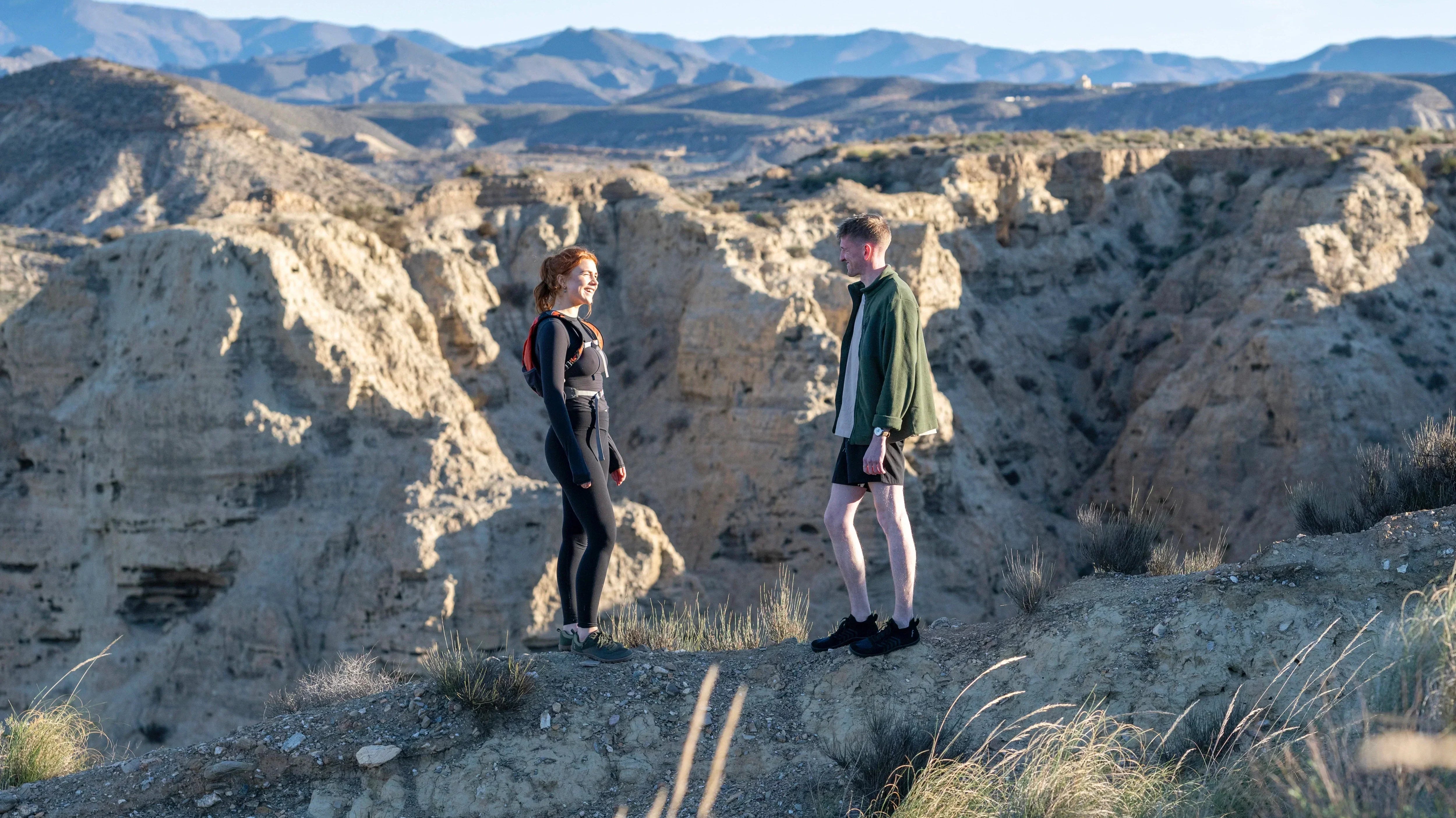
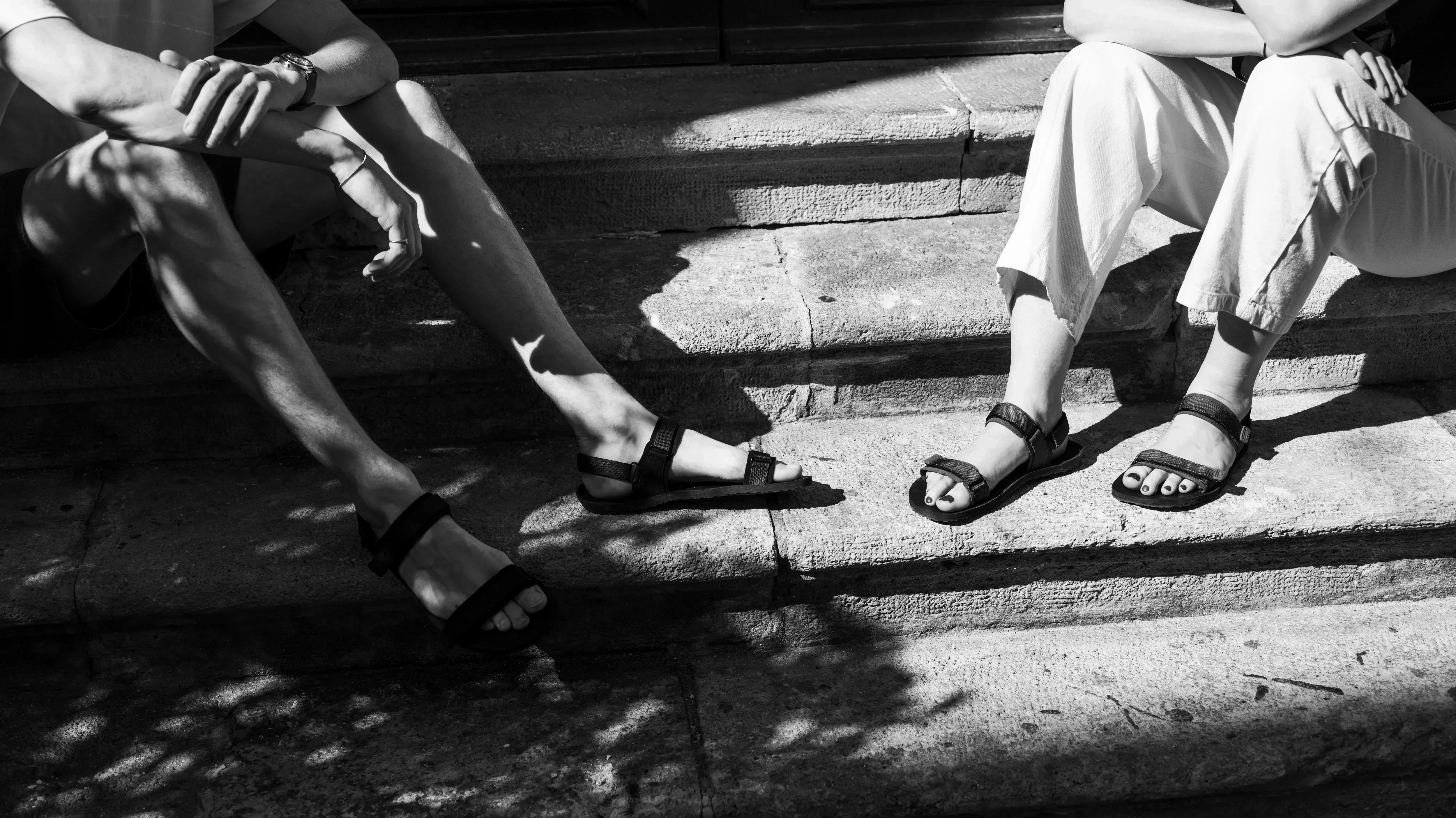
Freet Barefoot Sandals Compared: Lundy vs Zennor 2 vs Salcombe
Trying to choose the best barefoot sandals for summer 2026? Here we compare our Freet Lundy, Zennor 2 and Salcombe models across comfort, hiking performance, breathability, flexibility and everyday wear to help you find the right minimalist sandal for your summer adventure.